The dental part of dental tourism gets most of the attention, understandably. But patients who’ve actually made the trip will tell you the logistics visas, flights, where to stay, how long to plan for matter just as much to how the whole experience goes.
Here’s a practical rundown of what to sort out before you book anything.
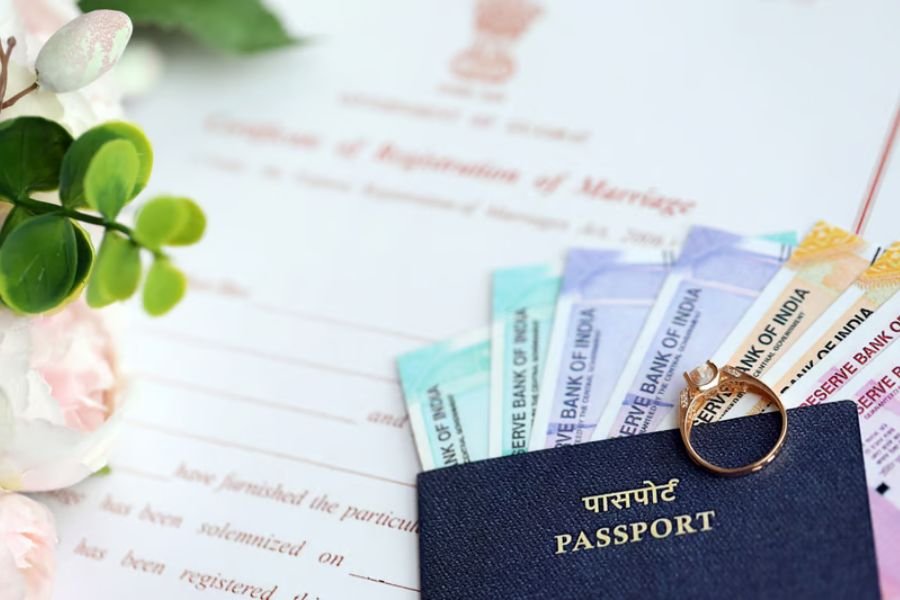
Most international patients traveling to India for dental treatment enter on a standard tourist visa or an e-Visa, depending on their nationality. India’s e-Visa system covers travelers from the US, UK, Canada, Australia, New Zealand, and many other countries, and it’s typically processed online before departure.
Visa requirements and processing times change, so it’s worth checking current requirements for your specific passport close to your planned travel date rather than relying on older information. This isn’t something we handle directly, but we’re happy to point you toward the right resources once your treatment dates are set.
This is where the sequencing matters. Ideally, your treatment plan and rough timeline should be confirmed before you book flights not the other way around. Booking a fixed return date before knowing how many visits your treatment requires is one of the more common planning mistakes.
If your case involves multiple stages, as full-mouth rehabilitation often does, you’ll want flexibility in your return date, or a plan for a second trip, built into your booking from the start.
Mumbai has accommodation options across every budget, and proximity to your treating clinic is worth prioritising, especially if you’re recovering from a procedure and don’t want a long commute for follow-up visits. We can point patients toward areas convenient to their specific clinic once treatment is confirmed.
Recovery varies significantly by procedure. A single crown might need no real downtime. Implant placement typically needs several days of reduced activity, with full healing taking months though this doesn’t mean you need to stay in Mumbai that entire time. Full-mouth rehabilitation involves the most extended recovery planning, often with healing periods built between treatment stages.
The mistake to avoid: booking the shortest possible trip to save on accommodation, then rushing through recovery in a way that compromises the treatment itself. It rarely saves money in the end if it means a second trip to fix complications.
English is widely spoken in Mumbai’s dental and medical sector, particularly among professionals experienced with international patients. This is one area where dental tourism to India tends to be more straightforward than patients expect going in.
We coordinate the dental side consultation, treatment planning, specialist matching, cost communication, and follow-up. Flights, visas, and accommodation bookings are yours to arrange, though we’re glad to advise on timing and logistics once your treatment plan is set, so the two sides of the trip actually line up.
The dental trips that go smoothly are almost always the ones where treatment planning happened before travel planning, not alongside it or after. If you’re at the early stages of considering this, that’s the right order to tackle it in.
Send us your case on WhatsApp, and we’ll help you build a timeline that your travel plans can actually work around.
Continue Reading